
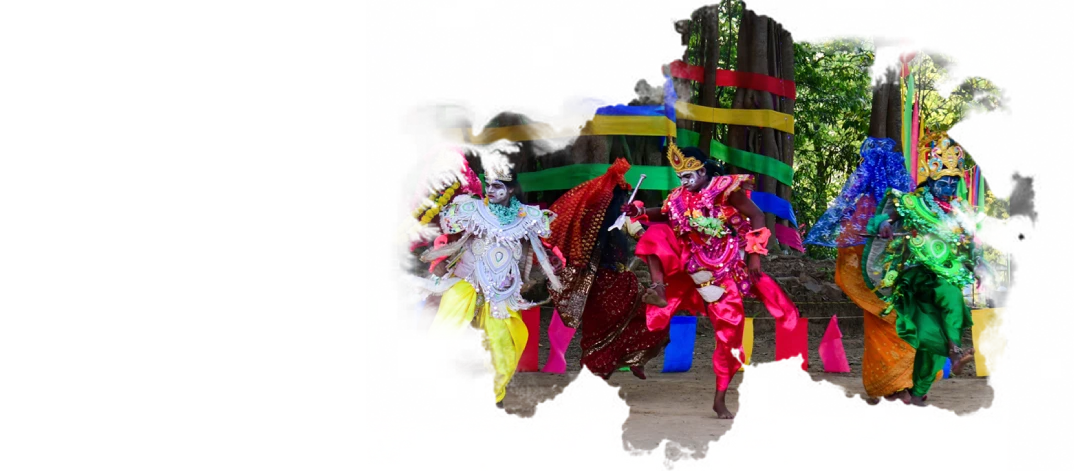
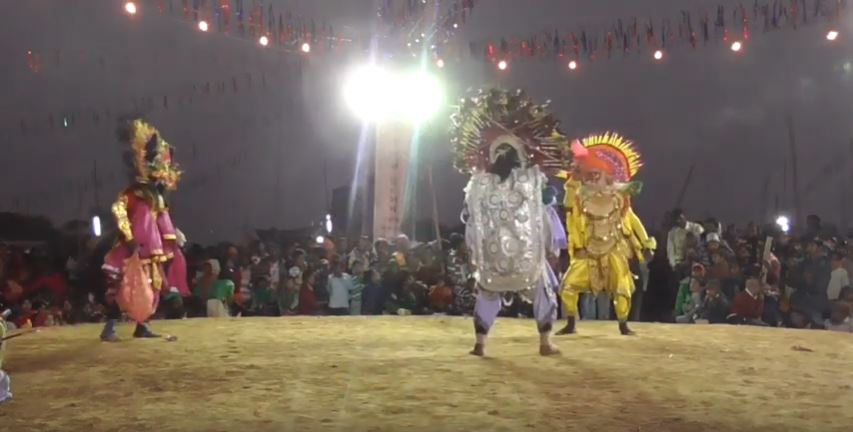
Shumbha and Nishumbha were very powerful demons. These two brothers were conquerors of Three Worlds by Brhma’s boon. Although Brhama’s boon had granted the brothers protection from human being and demon, no such protection existed against Goddess. Shumbha –Nishumbha started torturing in heaven and on request of Brahma Bishnu Maheswar Goddess Durga transformed herself into […] read more
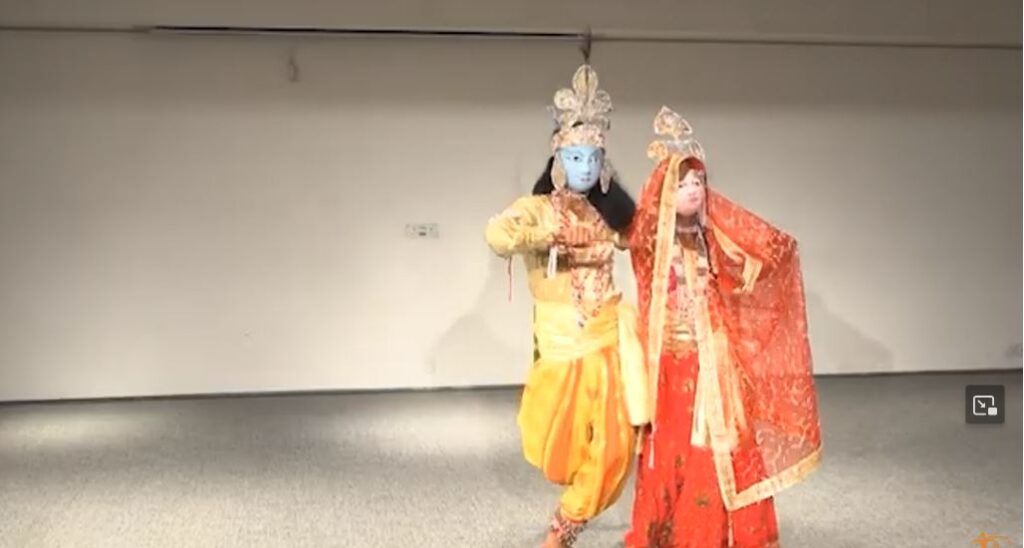
This piece describes how Radha and Krishna’s love was both joyful and filled with deep longing, showing a bond that went beyond ordinary romance. Their connection reflects a mix of sweet happiness and heartfelt yearning, symbolizing the soul’s intense devotion and desire for union with the beloved. Group Name – Kedar Art Centre, Seraikela read more
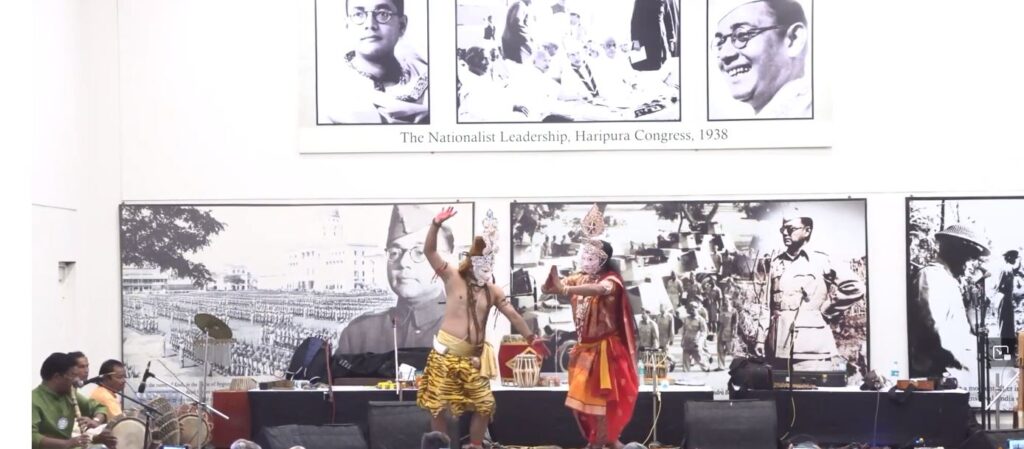
Hara Parvati, a pala of the Seraikela Chhau tradition, portrays the divine harmony between Lord Shiva and Goddess Parvati through subtle, symbolic movements and controlled grace. The dance expresses cosmic balance, unity, and the interdependence of masculine and feminine energies, reflecting spiritual equilibrium and divine order. Group Name – Kedar Art Centre, Seraikela read more
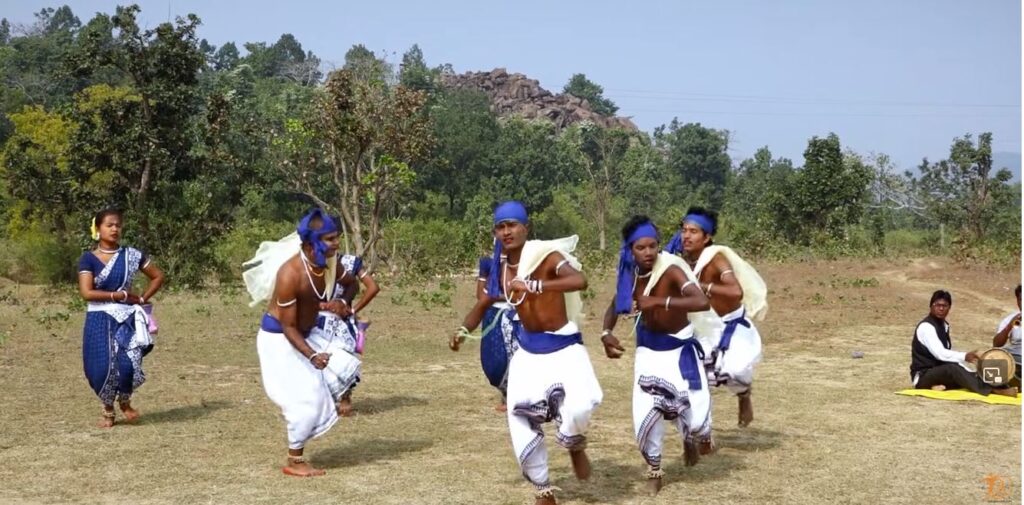
This energetic folk pala in the Mayurbhanj Chhau form portrays the everyday life of fisherfolk, using expressive movements to imitate casting nets, rowing, and carrying baskets. Through lively rhythms, humour, and coordinated group action, it celebrates the joy, resilience, and close-knit spirit of communities sustained by rivers and water bodies. Group Name – JayMaa Debi […] read more
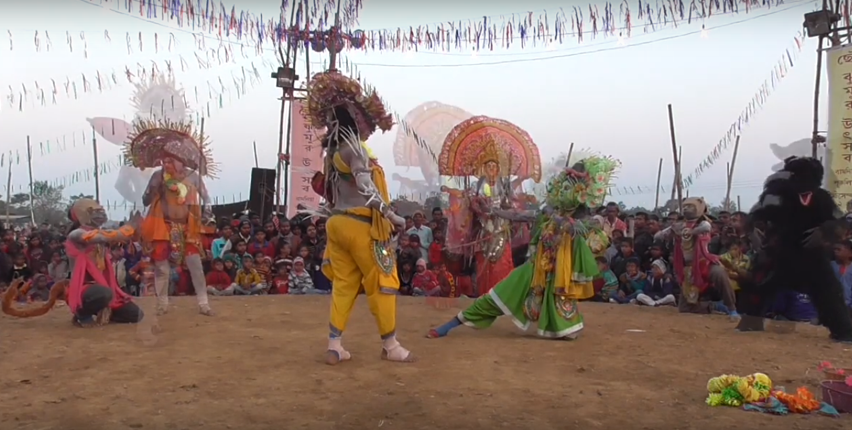
Ravana was son of Rishi Viswashrava and Nikasha. In his previous birth, Ravana and his brother Kumvakarna were the gatekeepers of Vaikuntha-Dham and their names were Jay and Vijay. One day Sanaka and other Rishis were insulted by Jay and Vijay. They could not allow the Rishis to pass the gate of Vaikuntha-Dham. Becoming furious […] read more
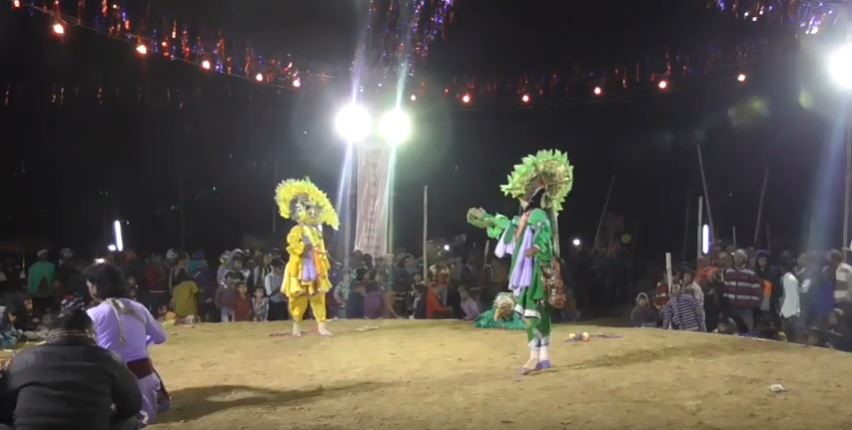
Being desperate for the insult of Surpanakha, Ravana sent Marich, the master of disguise, in the form of golden deer to take revenge. The deer roamed in front of Ram Sita’s hut. Sita requested Ram to catch the golden deer. Asking Lakshman to look after Sita Ram went behind it. The deer led him deep […] read more
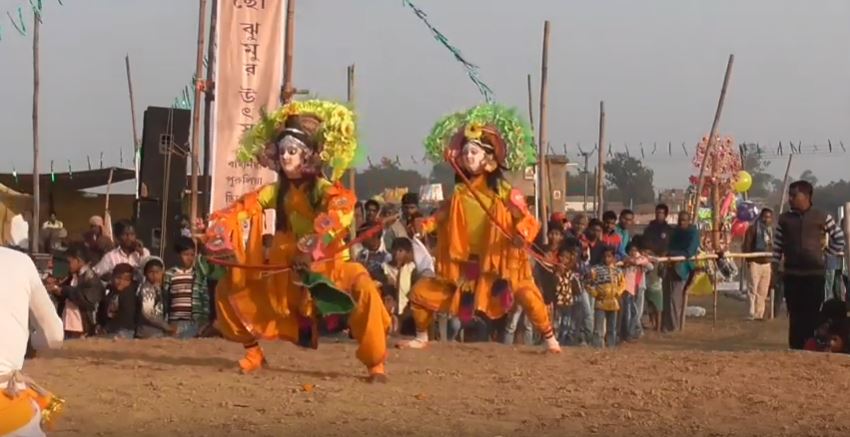
Sri Ramchandra conducted Ashvamedh Yagna and released the sacrificial horse. The horse started to run accompanied by Shatrughna and his warriors. On the other side, Sita was completing her exile period in the forest of Tapabon. Her two sons Lab and Kush were becoming gradually adept in art of war. The horse of Ashvamedh appears […] read more
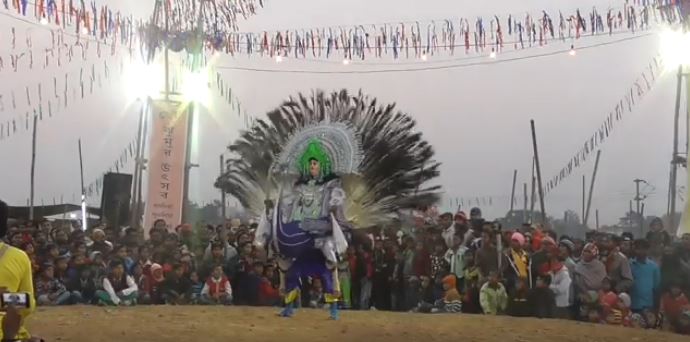
Being pleased in ardent penance Bramhadev asked Rambhasur for boon. Rambhasur’s boon was for his son whom he liked to see as three world winner. Bramha agreed and granted the boon. When all Gods came to know this they assembled and decided to annihilate Rambhasur. On the other side, Rambha converted himself into a buffalo. […] read more
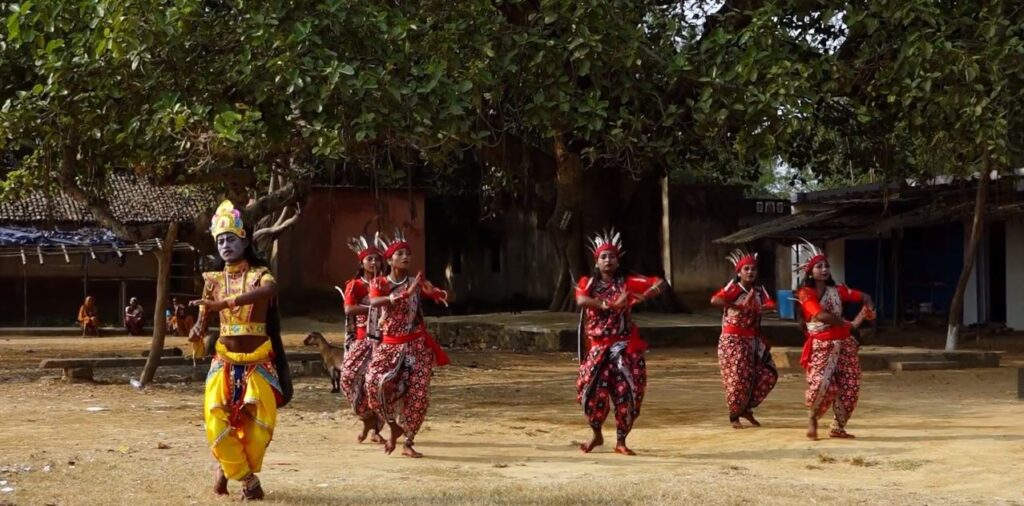
Rooted in folk life, this pala beautifully portrays the love and bond between the hunter Sabar and his consort Sabarini. Filled with earthy humour, rustic gestures, and tribal rhythms, it reflects the vibrancy and authenticity of everyday life in indigenous communities. Group Name – Narendra Chhau Nritya Pratishthan , Kandsore read more
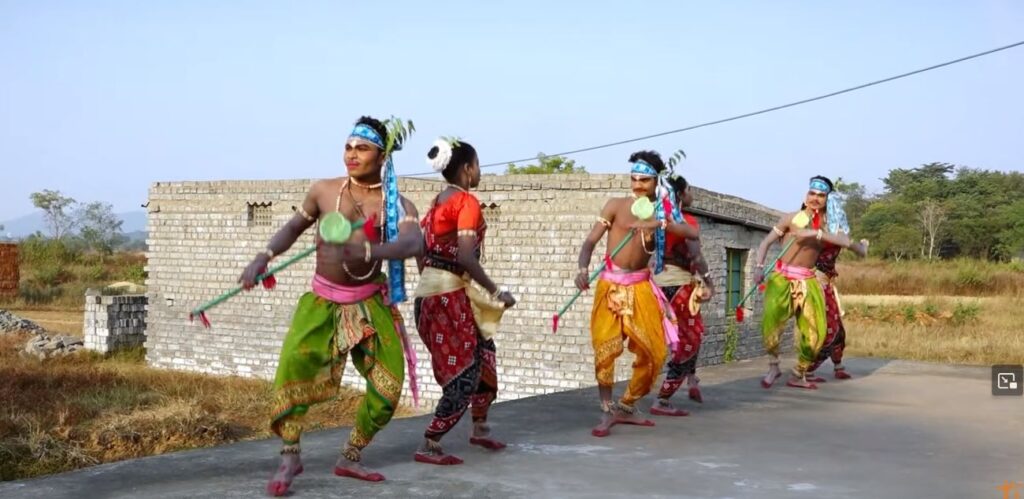
Dhawaja Puja in Mayurbhanj Chhau is a festive ritual dance performed by men and women in synchrony, celebrating unity, joy, and tribal harmony. Accompanied by the lively beats of the Tuila, whose strong rhythmic sound drives movement and coordination, the dance reflects community bonding and collective celebration. Group Name – Bhanjabhumi Chhau Nritya Pratishthan , […] read more